

The most avoidable problems on a first Japan ski trip often happen before anyone reaches the snow. A booking can look right on its own but fit poorly with the next part of the journey. Use these checks while comparing options, then keep one shared itinerary with the confirmed addresses, meeting points and booking conditions.
Choosing a resort name without choosing a base
A destination name can cover several different starting points. Hakuba Valley has ten separate resorts, so “Hakuba accommodation” does not tell you which mountain is convenient. Choose where your first lessons or ski days will happen, then compare properties against that location. The official resort directory helps make the distinction.
Ask for the actual route to the lesson meeting point, rental shop and evening meals. Check shuttle hours and stops rather than assuming a service will collect you at the door. Make sure anyone who finishes skiing early can return independently.
Booking a flight that misses the useful transfer
Compare airport arrival time with the transfer you can realistically board after collecting luggage. Check the drop-off point, onward property transport and late check-in arrangement. Niseko United’s airport access guide is a useful starting point, but your booked provider’s dated timetable and conditions settle the connection.
Avoid putting a paid early lesson immediately after a late arrival unless you have allowed for equipment fitting and delays. Count arrival and departure days separately from full ski days. Keep the return transfer and flight timing in the same itinerary as the outward journey.
Buying passes before confirming lessons
Ask the school which pass each participant needs, where to collect it and whether the lesson booking includes it. A pass covering more mountains is not automatically the right first-day purchase. Niseko’s current ticket information, for example, sets out age categories and consecutive-day conditions. Check the operator’s pass rules against your actual ski days.
Give the school an accurate ability description. “Intermediate” can mean different things to different people, so explain the terrain you comfortably ski and when you last skied. Confirm language, meeting time, group arrangements and what happens if a participant needs another level.
Comparing room prices with different bedding
Check the room type, maximum occupancy and actual beds, including any sofa beds or additional bedding. For families, confirm whether children are included in the quoted occupancy and meals. For friends, agree who uses each bedroom before treating the total as an equal per-person cost.
Look beyond photographs for bathrooms, laundry access, kitchen equipment and drying or storage arrangements. Ask about check-in, cleaning and any costs shown separately. Use the same nights and occupancy when comparing Japan accommodation options.
Leaving equipment and luggage decisions too late
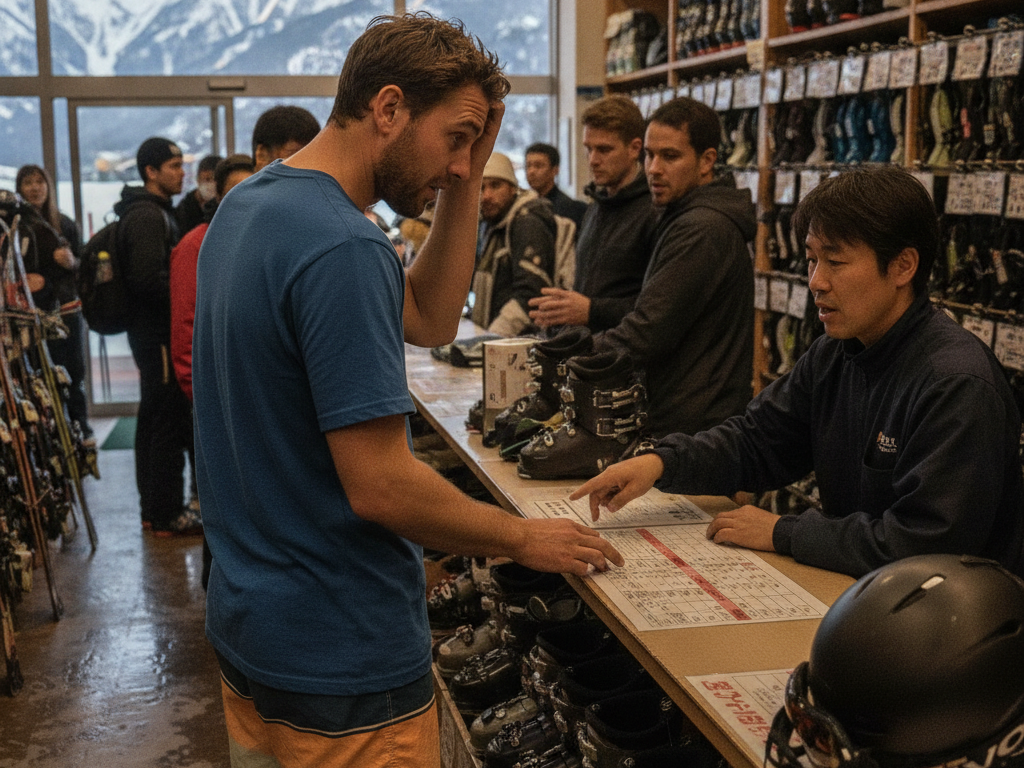
Compare airline baggage allowances, transfer luggage limits, local rental availability and fitting time together. Bringing equipment and renting locally both need planning. Reserve essential rental sizes and check whether helmets or clothing are separate. Our winter packing guide helps organise what each traveller needs.
Treating the headline quote as the whole holiday
Record what is included and still payable for transfers, passes, lessons, rentals, meals and rest days. Read deposit, change and cancellation conditions before paying. Our Japan ski budget guide provides a practical way to compare like-for-like totals.
Finally, leave space for weather, tired legs and different interests. Choose a plan that works for the whole group rather than filling every day. Send OnSnow your proposed dates and traveller details to discuss the base and accommodation questions before finalising the itinerary.