

If you want to ski ungroomed terrain in Japan, first establish exactly where the proposed activity takes place and which rules apply. A marked ungroomed run, a permitted area within a resort and terrain beyond its boundary are different settings. Marketing terms such as “powder”, “off-piste” or “sidecountry” do not establish permission, supervision or suitability. This guide helps with booking questions; it cannot assess mountain conditions or your ability.
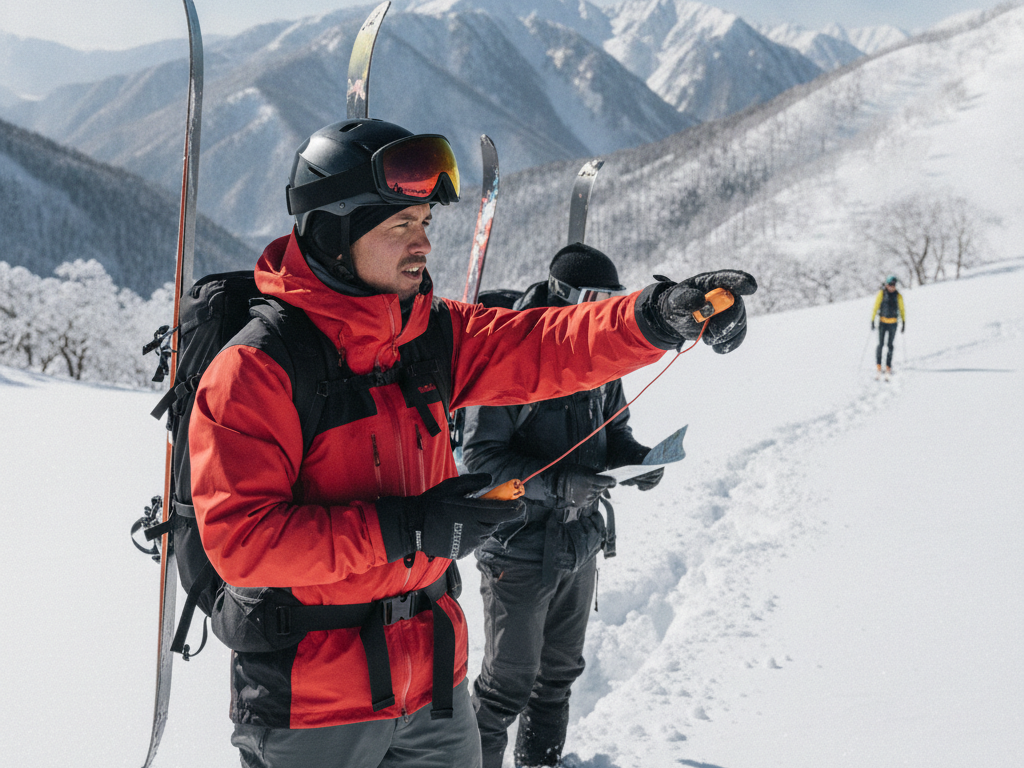
Use the operator’s rules for that mountain
Read the current trail map, boundary signs and operator policy, and follow patrol directions. Do not assume another skier’s tracks identify an open or permitted area. Nor should you apply the policy from yesterday’s resort to today’s destination. For example, Rusutsu’s published terms prohibit skiing beyond its boundaries and on closed runs. Read the Rusutsu resort terms before planning your skiing there.
Niseko has specific gate and boundary rules
Niseko’s published rules require use of gates for access to its backcountry areas, prohibit ducking boundary ropes, and prohibit entry when gates are closed or areas are off limits. The rules also identify the official local avalanche information service. These are specific local requirements, not a general policy for Japan. Read the complete Niseko Rules and the official Niseko Avalanche Information, and obey current signs and patrol instructions.
An open gate does not mean terrain is safe for every visitor, and equipment does not remove the risks. Do not use a holiday article, old social post or another group’s decision as an assessment of current conditions. If you do not understand the restrictions or the proposed activity, stay on open marked runs and ask the operator or a suitably qualified local professional.
Check the guiding programme, not just its name
A resort mountain-guiding product may operate entirely within the ski area. Rusutsu, for example, describes its programme as lift-accessed guiding inside the resort and specifies the expected participant ability. It should not be presented as a backcountry tour. Confirm the location, scope and entry requirements of any product using its current operator description.
Before booking, ask the provider about the guide’s relevant qualifications and local experience, the participant assessment, group size, required training and equipment, and the arrangements if conditions are unsuitable. Describe each person’s actual skiing or snowboarding experience honestly. A confident groomed-run skier may need a different programme from someone experienced in the proposed terrain.
Understand responsibilities and exclusions
Ask the provider to explain its boundaries, cancellation arrangements and emergency procedures before you pay. Keep the contact information and booking terms available to the group. Do not assume a lift pass, lesson booking or guided outing includes every activity you have in mind, or that rescue arrangements are the same in all locations.
Read your insurance policy’s definitions and exclusions, and ask the insurer to confirm cover for the exact activities, locations and guiding arrangements you propose. Do not rely on a general “winter sports” label. Smartraveller’s travel insurance guidance explains why matching a policy to your activities matters.
Keep an alternative mountain plan
Choose accommodation and a resort you would enjoy while skiing open marked runs. A holiday can still include lessons, groomed terrain and rest days when a particular programme cannot proceed. For accommodation enquiries, tell OnSnow your intended resort, dates and group experience; confirm any specialist guiding assessment directly with the qualified provider.