
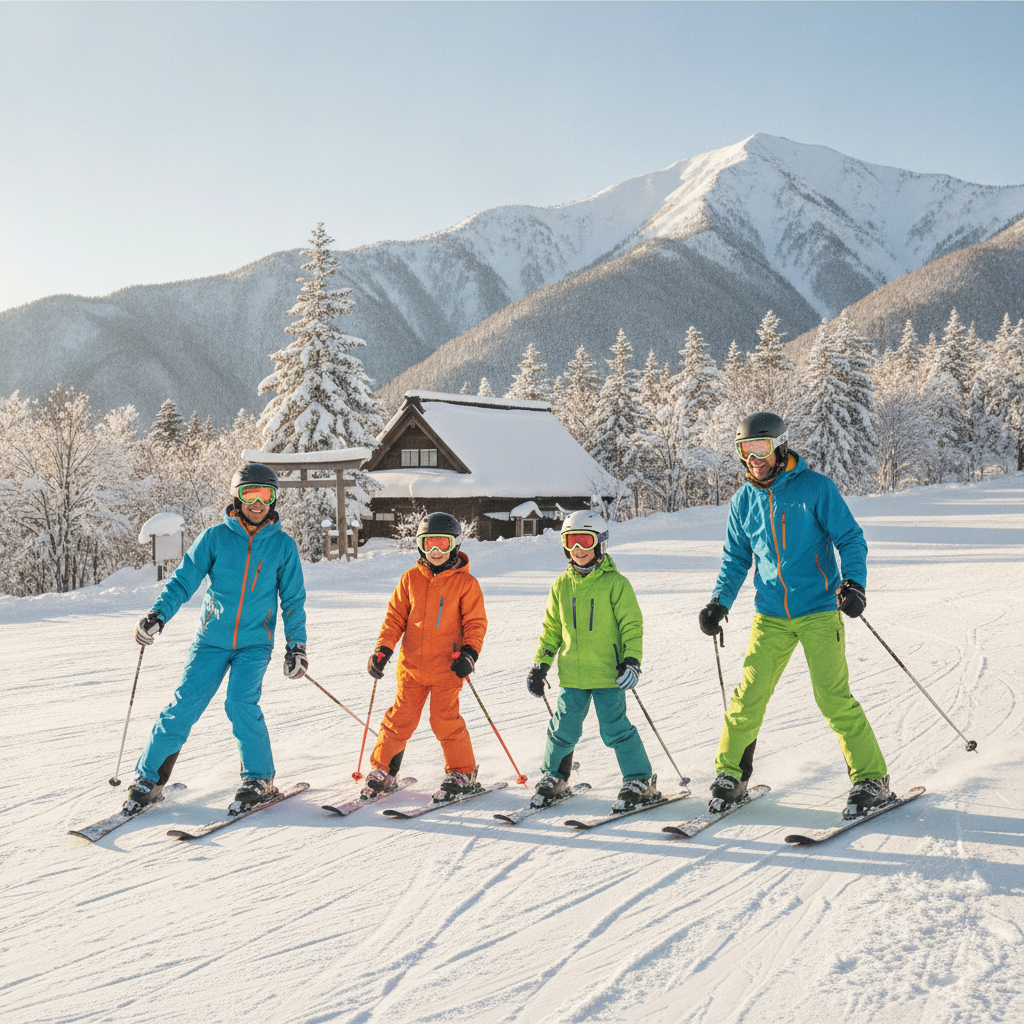
For an overseas ski holiday, check the actual activities and locations covered by the policy before paying. “Comprehensive” and “snow sports” do not have identical meanings across insurers. Smartraveller’s travel insurance guidance recommends reading the Product Disclosure Statement (PDS), including definitions, exclusions and emergency support. Treat the points below as questions to resolve with the insurer for your own itinerary.
Describe the trip and every activity
Give the insurer your full travel dates, destinations and transit countries. List skiing or snowboarding and anything else you intend to try, such as tubing, snowmobiling or a guided excursion. If you hold annual or credit-card cover, check trip-length limits, activation requirements and whether a snow-sports option has actually been added.
Read the insurer’s definitions of on-piste, off-piste, resort boundaries and guided activities. Do not use a resort’s marketing label as proof of insurance cover. For example, Allianz’s Snow Pack page describes activities on groomed terrain and marked, open slopes within resort boundaries, while nib’s snow-sports option lists a different set of activities. These examples show why the actual policy wording matters; they are not interchangeable products or recommendations.
Ask how emergency assistance works
Check the policy’s provisions for overseas treatment, ski-patrol transport, search and rescue, medical evacuation and repatriation. These are separate questions: transport off a mountain does not necessarily mean the same thing as an international medical transfer. Ask what approvals, limits and excesses apply and keep the insurer’s emergency-assistance number available offline.
Complete the insurer’s health questions accurately and ask about anything you do not understand, including existing conditions and pending investigations. Obtain written confirmation where the insurer agrees to cover a disclosed circumstance. An operator accepting a booking or waiver does not determine your insurance eligibility.
Check equipment and prepaid ski costs
For your own equipment, ask about individual-item limits, depreciation, damage while in use and storage conditions. For hired equipment, check both the rental contract and policy: accepting a rental shop’s damage option does not establish what a travel insurer will pay. Keep photographs and receipts where available.
Ask whether unused lift tickets, lessons or hire are covered after an eligible illness or injury, what evidence is required and whether a minimum interruption period applies. Lost ski days because of weather, a closed lift and personal injury are different events. Do not assume they trigger the same benefit.
Read cancellation terms before deposits
Compare the policy’s cancellation cover with the money you could lose under each supplier’s terms. Ask when cover starts and how existing or known events are treated. ASIC’s Moneysmart travel insurance guide highlights the importance of inclusions, exclusions, premiums and the excess you would need to pay. A headline benefit limit alone cannot answer those questions.
If the itinerary changes, ask whether the policy needs updating. Keep the PDS version, schedule, declarations and any written insurer answers together with accommodation and activity confirmations. Recheck current destination advice before departure.
Keep a simple assistance and claim file
Save your policy number and emergency contacts on your phone and share them with a travelling companion. If something happens, seek local emergency or ski-patrol assistance as needed and contact the insurer when it is safe to do so. Follow its instructions about authorisation and documents; keep receipts and the reports relevant to the incident. Claim time limits and evidence requirements depend on the policy.
Match cover to the holiday you choose
Our Japan, Canada and USA guides can help you define the destination and activities. If you request accommodation options, use the resulting itinerary to ask your insurer specific coverage questions. Only the insurer can confirm how its wording applies to your circumstances.